

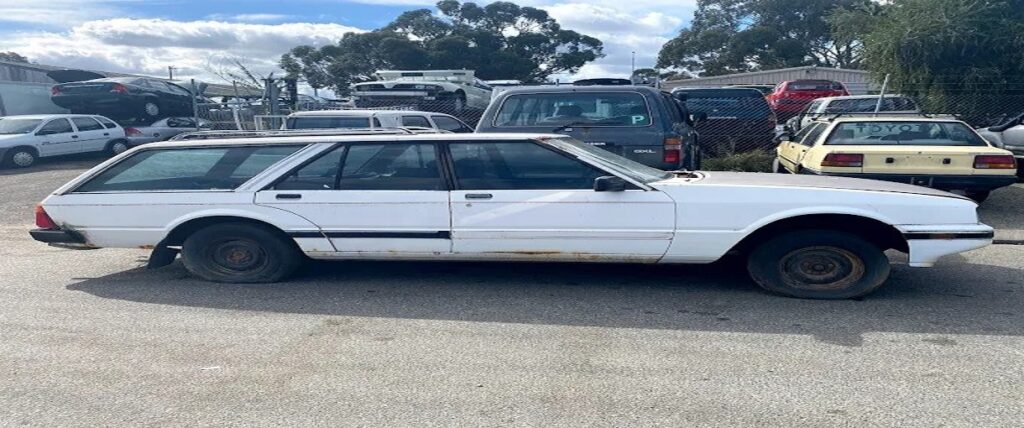
If the vehicle becomes too old or is damaged and no longer useful, then selling the vehicle can be seen as the start of the recycling process as opposed to the end of the life of that vehicle. Car Cashiers will help you with this process by taking care of the vehicles you don’t need any more to the next stage of the process. So what happens next to the scrapped vehicle?
The Vehicle Is Collected and Transported
After the scrap car has been bought, it will have to be transported from where it is located to where it should be taken. This is especially true if the car in question is in poor condition.
Depending on the state of the car, there may be special equipment needed to transport the car. When the car gets to where it should be, then it can be evaluated to see what components are reusable.
The Car Is Assessed
The first step in the process after arriving at the yard is conducting an inspection. The automobile will most likely be inspected to ascertain its condition and useful parts that can be recycled.
Engine, transmissions, wheels, batteries, and other mechanical and electronic parts may have some residual value despite the fact that the car itself is not worth using anymore on the roads. It is based on the state of particular components that their future use or recycling will be decided.
Usable Parts Can Be Removed
Not all components of the scrapped vehicle need to be thrown away. Some of them might be taken off and ready to be reused in other vehicles. It might include doors, mirrors, seats, lighting equipment, wheels, engines, and many other parts depending on the particular vehicle.
Their reuse will contribute to reducing the number of new components needed to be made from scratch. This is the reason why a vehicle that is no longer worth being repaired still can be a source of some valuable resources.
Fluids and Hazardous Materials Are Handled Carefully
Vehicles have numerous fluids and substances which are not supposed to be dumped indiscriminately into the surroundings. Such fluids can range from engine oil, coolants, brake fluid and others.
These substances must be appropriately disposed of during the disassembling stage. Some components including batteries have certain fluids in them which need to be dealt with separately. Proper disposal minimizes the chance of contamination.
The Vehicle Is Dismantled
Once the reuseable parts and fluids have been taken care of, then the rest of the car can be disassembled. Different types of materials are segregated for proper processing. An average car is made up of several kinds of materials like steel, aluminum, glass, rubber, plastic and many others. Segregation of these materials will help in resource recovery and not end up in landfills.
Find out what your vehicle could be worth before you decide what to do with it.
Metal Is Recovered for Recycling
There is a lot of metal content in cars. Steel and aluminum are recyclable materials that can be used in production processes. It allows you to save the necessity of obtaining similar material from virgin sources.
The recycled metal may later become a component of different goods, such as construction and automotive industry components. An old car can still give valuable raw materials, even when it cannot be driven anymore.
Glass, Plastic and Rubber Can Also Be Recovered
It is not just metal which can be recycled from an old vehicle; depending on the recycling processes employed at the particular facility, glass, plastic, and rubber can also be sorted.
Tyres, for example, have the capability to be recycled via their own channels, while certain types of plastics can be recycled based on their respective categories.
What Happens to the Vehicle Identification and Registration?
Disposal and sale of a car also entail administrative duties. In respect of disposal or sale of a car, owners must ensure that they comply with all requirements laid down by the Western Australian Government in respect of sale or disposal of a car.
Maintaining ownership and registration details and completing necessary notifications to the relevant authorities are some actions that must be considered.
Why Vehicle Recycling Matters
Recycling of the end-of-life vehicle is helpful for the environment in many ways. Recycling will lead to reduced waste as metals and other components are retrieved.
This will also allow using the components of the vehicle for reuse, thus increasing their useful life. In combination, these activities will result in reduction of the waste generated from the end-of-life vehicle.
An Old Car Can Have a Second Life
It is not automatically true that a vehicle becomes useless the moment it stops being able to run. The metal and other materials within a vehicle can still be used even after the vehicle becomes non-operational by means of reusing or recycling.
In the next instance that you see a vehicle that looks like it is about to be off the road forever, just know that its usefulness might have not yet ended. With careful dismantling and recycling, many of its components can be put to use again and valuable materials can go back to the manufacturing process.