
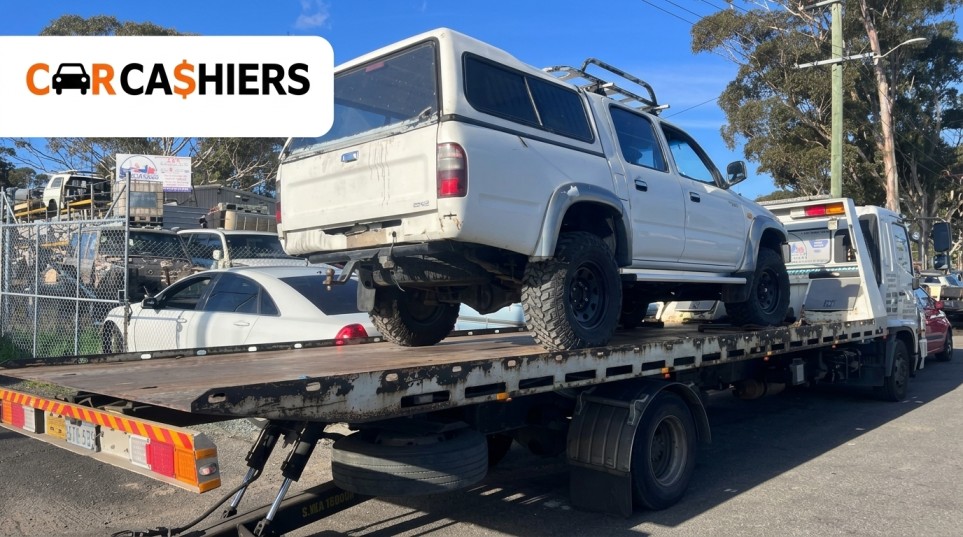
Wangara is known for its industrial businesses, trade workshops and commercial activity, where cars, vans and work utes are often used for daily transport. Over time, an older vehicle may become unreliable, expensive to repair or no longer suitable for business needs. If you have an unwanted vehicle taking up valuable space, Car Cashiers can help you explore the option of selling it rather than leaving it unused. Understanding how vehicle assessments, pricing and collection arrangements work can help you make a more informed decision.
What Types of Vehicles Can You Consider Selling?
Not every vehicle remains suitable for everyday driving. Some develop mechanical faults, while others become damaged in accidents or reach an age where repairs are no longer practical.
Depending on its details and condition, you may be able to enquire about selling:
- Older passenger cars: Vehicles that have become expensive to maintain or are no longer regularly used.
- Work utes: Commercial vehicles that have reached the end of their working life or are being replaced.
- Vans and light commercial vehicles: Vehicles previously used for deliveries, trade work or business transport.
- Accident-damaged cars: Vehicles affected by collisions or other significant damage.
- Non-running vehicles: Cars that cannot be driven because of engine, transmission or other mechanical problems.
- Unregistered vehicles: Cars that are no longer licensed for road use.
The vehicle’s make, model, age, condition and available parts can all influence whether a buyer is interested.
Have an unwanted car or work ute in Wangara? Contact Car Cashiers on 0499 904 865 to discuss your vehicle and request a quote.
What Affects the Value of an Unwanted Car?
A vehicle’s value is not determined by its age alone. Two cars of the same model and year may receive different assessments because their condition and remaining components are different.
Some important factors include:
- Make and model: Popular models may have parts that are useful in the second-hand market.
- Mechanical condition: The engine, transmission, suspension and other major components can affect the assessment.
- Body condition: Rust, accident damage, missing panels and general wear may influence the vehicle’s value.
- Vehicle completeness: Working components, wheels, batteries and other parts may be considered during an assessment.
- Location and collection access: The vehicle’s location and accessibility can affect collection arrangements, particularly if it is not running.
When requesting a quote, provide accurate details and mention any known faults. Clear information helps the buyer assess the vehicle more realistically.
How to Prepare Your Vehicle Before Selling
You do not need to spend money repairing every problem before enquiring about a sale. However, a few simple checks can make the handover easier.
- Remove personal belongings from the glovebox, boot and storage compartments.
- Take out any toll tags, parking permits and personal documents.
- Locate the available keys and vehicle paperwork.
- Make a note of known mechanical faults or accident damage.
- Take clear photographs if you are requesting an initial assessment remotely.
- Confirm that you are authorised to sell the vehicle.
If the car is unregistered or cannot be driven, explain this when discussing collection.
What If Your Car Is Damaged or No Longer Running?
A vehicle does not necessarily need to be roadworthy to be considered for sale. Cars with engine trouble, transmission problems, accident damage or extensive wear may still have components that can be assessed for reuse or recycling.
For example, some vehicles may contain usable doors, mirrors, wheels, electronic components or mechanical parts. Other vehicles may be more suitable for material recovery.
The final assessment depends on the vehicle’s condition and the buyer’s requirements. Be honest about any major damage, missing parts or mechanical issues so that the assessment and collection arrangements can be discussed properly.
Unsure whether your damaged or non-running vehicle can be sold? Call 0499 904 865 and provide its details to discuss your options.
What Happens During Vehicle Collection?
Once you have discussed the vehicle details and received an offer, confirm the collection arrangements before proceeding. This is particularly important for vehicles stored at commercial premises, workshops or industrial properties in Wangara.
Before collection, agree on:
- The vehicle’s exact location and access requirements.
- Whether the vehicle can be driven or needs to be transported.
- The agreed price and any conditions attached to the offer.
- The collection time and payment method.
- The paperwork required to complete the handover.
Make sure you understand the payment arrangements before releasing the vehicle. In Western Australia, the seller should also check the relevant vehicle transfer or disposal requirements and complete the necessary steps.
Why Responsible Vehicle Recycling Matters
An unwanted car can contain materials and components that may still be useful. Reusable parts can potentially be recovered, while materials such as steel and aluminium can be directed towards recycling.
Responsible handling is also important because vehicles contain fluids, batteries and other components that need appropriate management. Proper dismantling and recycling can help reduce unnecessary waste and recover materials for further use.
Instead of allowing an unused vehicle to deteriorate on a driveway or business property, exploring a suitable selling or recycling option may be a more practical choice.
Final Thoughts
Selling an unwanted vehicle involves more than simply deciding that it is no longer worth keeping. Checking its condition, understanding the factors that affect its value and confirming the collection and payment arrangements can help avoid confusion.
Whether you have an old passenger car, a damaged vehicle or a retired work ute in Wangara, gather the relevant details before requesting an assessment. A little preparation can make the selling process clearer and help you decide on the next step.